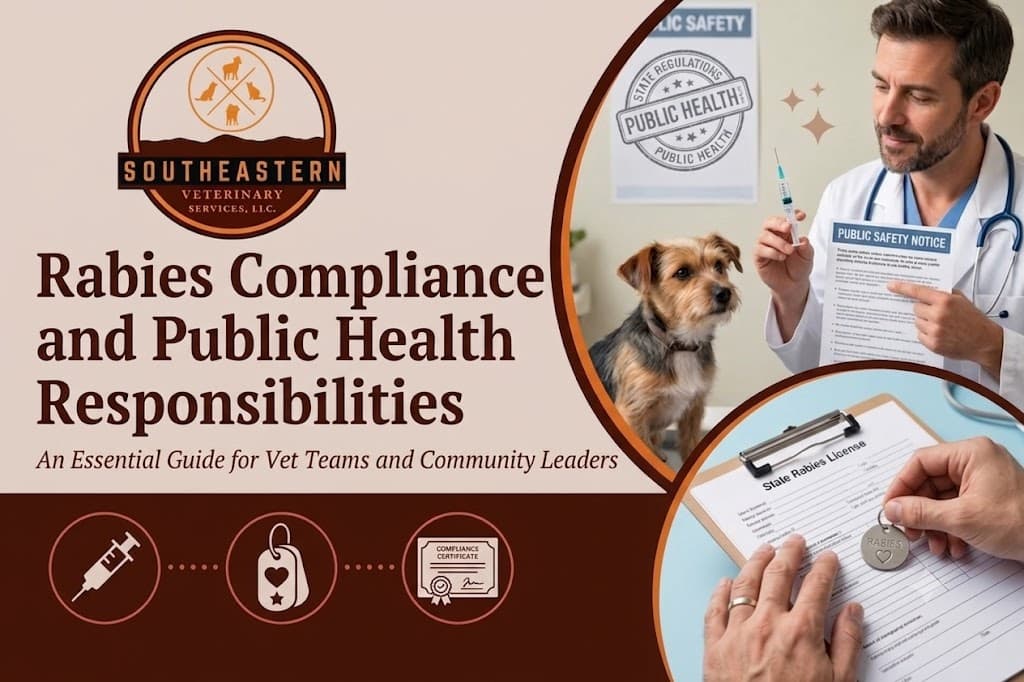
Rabies prevention is one of the most important responsibilities for pet and animal owners. While rabies may not be something most families think about every day, it remains a serious public health concern because it can affect both animals and people. Once symptoms appear, rabies is almost always fatal, making prevention, vaccination, and prompt action after possible exposure extremely important.
For pet owners, farmers, and animal caregivers in Cleveland, Tennessee, staying compliant with rabies vaccination requirements is more than a legal obligation. It is a practical step that protects pets, livestock, families, neighbors, veterinary teams, and the wider community.
Why Rabies Prevention Matters
Rabies is a viral disease that affects the nervous system of mammals. It is most often spread by the bite of an infected animal, although exposure to saliva through broken skin or mucous membranes may also pose a risk. Wildlife such as raccoons, skunks, foxes, bats, and coyotes can carry rabies and may expose domestic animals if they come into contact.
Because pets and livestock may encounter wildlife around homes, farms, barns, wooded areas, and pastures, routine prevention is essential. A dog, cat, or other domestic animal that is not properly vaccinated may face serious consequences following a bite or exposure. Vaccination helps reduce that risk and supports public health response efforts when an exposure is reported.
Tennessee Rabies Vaccination Requirements
In Tennessee, dogs and cats over six months of age are required to be currently vaccinated against rabies. Dogs and cats may be vaccinated as early as three months of age, depending on the vaccine label and veterinary guidance. Rabies vaccinations for dogs and cats must be administered by or under the supervision of a veterinarian.
Tennessee does not specify whether a one-year or three-year rabies vaccine must be used at the state level, but local jurisdictions may have additional requirements. “Currently vaccinated” generally means the first vaccine was given at least 28 days earlier, and boosters are kept up to date according to the vaccine label.
For pet owners, this means it is important to keep accurate vaccination records, know when boosters are due, and avoid waiting until a vaccine has expired before scheduling the next appointment.
Rabies Compliance Is Part of Responsible Pet Ownership
Rabies compliance is not only about meeting a requirement. It helps create a safer environment for everyone. When pets are current on rabies vaccination, it becomes easier to respond appropriately if a bite, scratch, or encounter with wildlife occurs.
Owners should keep a copy of their pet’s rabies certificate in a safe place and make sure tags and records are updated after each vaccination. This documentation may be needed for boarding, grooming, travel, licensing, housing, emergency care, or bite investigations.
Responsible rabies prevention also includes supervising pets outdoors, avoiding contact with wildlife, and reporting unusual animal behavior. Wildlife that appears unusually friendly, aggressive, disoriented, weak, or active at unusual times should not be approached.
What To Do After a Bite or Possible Exposure
If a person is bitten or scratched by an animal, the wound should be washed thoroughly with soap and water, and medical advice should be sought right away. Animal bites and potential rabies exposures should also be reported to the appropriate local health authority or animal control agency so the situation can be properly assessed.
If a pet comes into contact with wildlife, especially a bat, raccoon, skunk, fox, or an unknown animal, owners should contact a veterinarian promptly. Even vaccinated pets may need evaluation and documentation after a possible exposure. Unvaccinated or overdue animals may face stricter public health requirements, which is one reason staying current is so important.
Rabies Awareness for Farms and Large-Animal Owners
Southeastern Veterinary Services is a mixed-animal practice, which means rabies awareness also matters for farms and livestock owners. While routine rabies vaccination requirements are most commonly discussed for dogs and cats, certain livestock and other animals may be vaccinated when a legally available vaccine is available, and a veterinarian determines it is appropriate.
Horses, cattle, small ruminants, and other farm animals can be exposed to wildlife in pastures, barns, and wooded areas. Owners should watch for sudden changes in behavior, unexplained aggression, difficulty swallowing, abnormal vocalizations, weakness, or neurological signs. These symptoms can have many causes, but they should always be taken seriously.
A veterinarian can help determine whether rabies vaccination should be part of a farm’s preventive health plan based on animal species, exposure risk, travel, local wildlife activity, and management practices.
How Veterinary Teams Support Public Health
Veterinary clinics play an important role in rabies prevention. They administer vaccines, issue vaccination certificates, maintain records, educate owners, and help guide families through potential exposure situations. In many cases, veterinary records are essential when confirming whether an animal was properly vaccinated at the time of an incident.
At Southeastern Veterinary Services, rabies prevention is part of a broader commitment to practical, preventive care. Whether caring for household pets or supporting farm animal health, the goal is to help owners make informed decisions that protect both animals and people.
Tips for Staying Rabies Compliant
Pet owners can stay ahead of rabies compliance by scheduling wellness visits before vaccines expire, keeping vaccination certificates organized, checking local requirements, and contacting a veterinarian after any potential exposure to wildlife. Owners should also avoid feeding or handling wildlife, secure trash and feed storage, and keep pets from roaming unsupervised.
For families with multiple pets or farm animals, keeping a simple vaccine calendar can help prevent missed boosters. If records are missing or uncertain, a veterinary team can help determine the next appropriate step.
Protecting Pets, Families, and the Community
Rabies prevention works best when owners, veterinarians, public health officials, and communities all do their part. Keeping animals properly vaccinated lowers the risk of disease spread, supports faster response after exposure, and helps protect the people who live and work around animals every day.
If your dog, cat, or farm animal is due for a rabies vaccination, Southeastern Veterinary Services in Cleveland, TN, can help you review records, schedule care, and stay compliant with preventive health needs.
Call to Action
Protect your pets, your family, and your community with up-to-date rabies prevention care. Contact Southeastern Veterinary Services in Cleveland, TN, to schedule a rabies vaccination appointment or ask about preventive care for your animals.